For years, marketers have pursued the same objective: delivering the right message to the right person at the right time.
Today, retail media makes it possible to add another critical dimension:
the right place.
By combining first-party data, digital advertising and extensive brick-and-mortar store networks, retailers are transforming proximity marketing into one of the most effective ways to influence consumer decisions just before they happen.
What is proximity marketing?
Proximity marketing is the practice of delivering relevant advertising messages to consumers based on their physical location and their proximity to a retail store or point of purchase.
Unlike traditional location targeting, modern proximity marketing goes beyond simply identifying where someone is. It considers where consumers are in relation to purchasing opportunities, allowing brands to communicate at the moments when buying intent is naturally highest.
Retail media provides the perfect infrastructure for this approach.
Retailers already own the most valuable locations
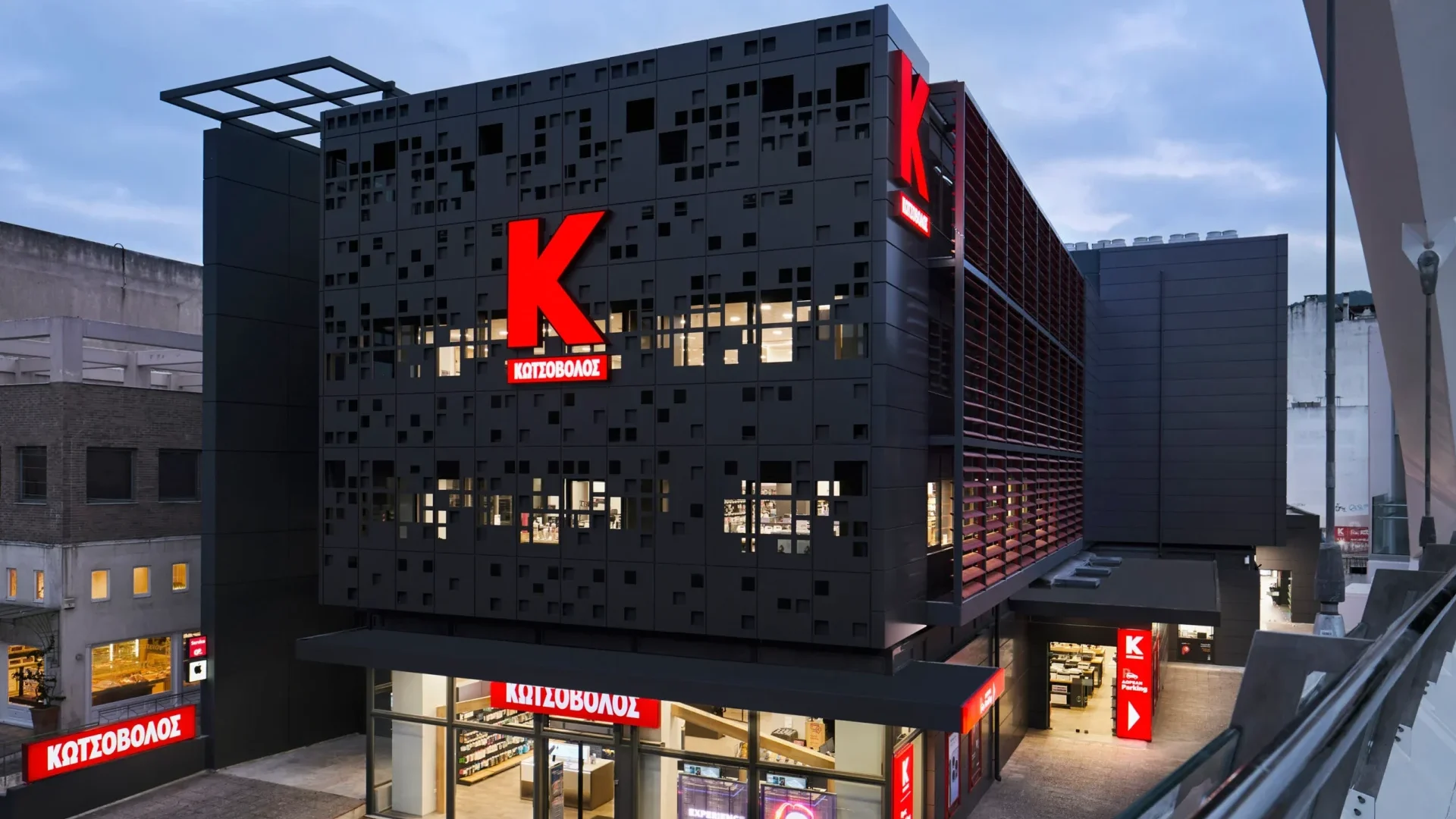
Retailers have spent decades building extensive physical store networks.
Every supermarket, electronics retailer, pharmacy, DIY store or fashion chain represents more than just a sales location—it is a point where thousands of purchase decisions are made every day.
When these locations become part of a retail media network, they evolve into powerful advertising assets that connect digital campaigns with real-world consumer behavior.
Instead of targeting broad geographic regions, advertisers can activate campaigns around specific stores, cities or nationwide retail footprints.
Bringing digital and physical together
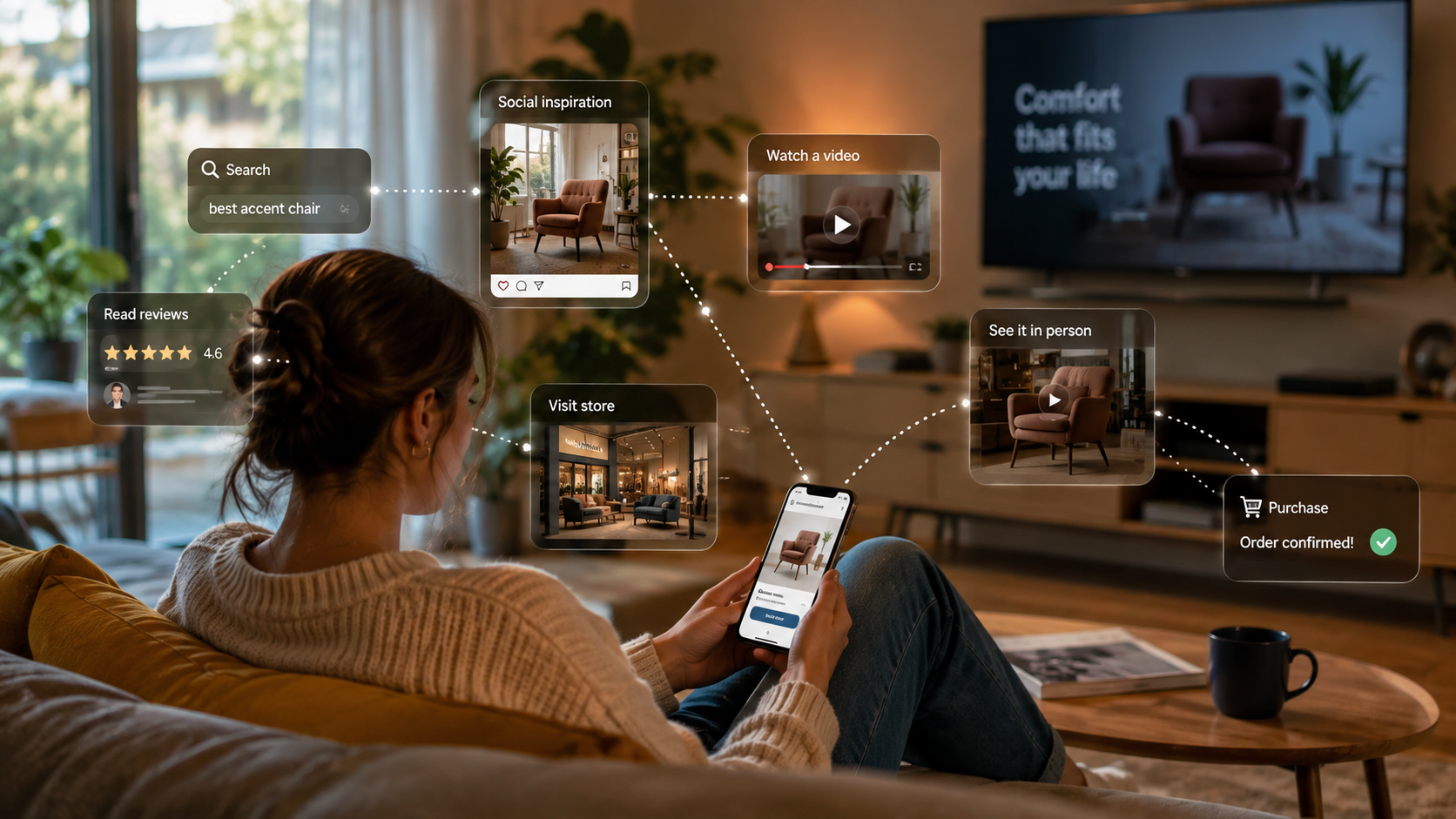
Modern retail media allows brands to activate audiences before they even enter a store or through digital screens, audio and interactive installations within the store.
Consumers browsing news websites, watching Connected TV, listening to digital audio or using mobile apps can receive messaging that dynamically references nearby retail locations where products are available.
This creates a seamless connection between media exposure and physical shopping.
Rather than simply generating awareness, campaigns actively help consumers complete their purchase journey.
Why proximity matters
Location has always influenced consumer behavior.
What has changed is the ability to use proximity intelligently.
A consumer located just minutes from a participating retailer represents a significantly different opportunity than someone hundreds of kilometres away.
Retail media enables advertisers to focus investment where conversion potential is highest, reducing wasted impressions while improving campaign efficiency.
The closer consumers are to a purchasing opportunity, the more relevant advertising becomes.
Physical retail remains one of Greece’s strongest marketing assets
Despite the rapid growth of e-commerce, physical retail continues to dominate consumer commerce in Greece. Thousands of supermarkets, electronics retailers, pharmacies, DIY stores, fashion chains and specialty retailers form one of the country’s largest commercial infrastructures, serving millions of shoppers every week.
According to studies (KPMG, The Future of Retail in Greece), organized grocery retail alone generates more than €13 billion annually, representing approximately 7.2% of Greece’s GDP, underlining the strategic importance of brick-and-mortar retail to both the economy and consumer behavior.
As retailers continue to expand their first-party data capabilities, advertisers gain increasingly sophisticated ways to understand how digital exposure influences physical shopping behavior.
And as long as physical retail continues to play a central role in commerce, proximity marketing will become one of the defining capabilities of next-generation retail media—bringing brands closer than ever to the moment of decision.
Image generated by AI