For decades, television offered one thing digital channels could not: Mass attention. At the same time, digital advertising introduced capabilities traditional television never had:
- targeting
- personalization
- optimization
- real-time reporting
- measurable outcomes
Connected TV is now merging both worlds. And that changes the economics of video advertising entirely.
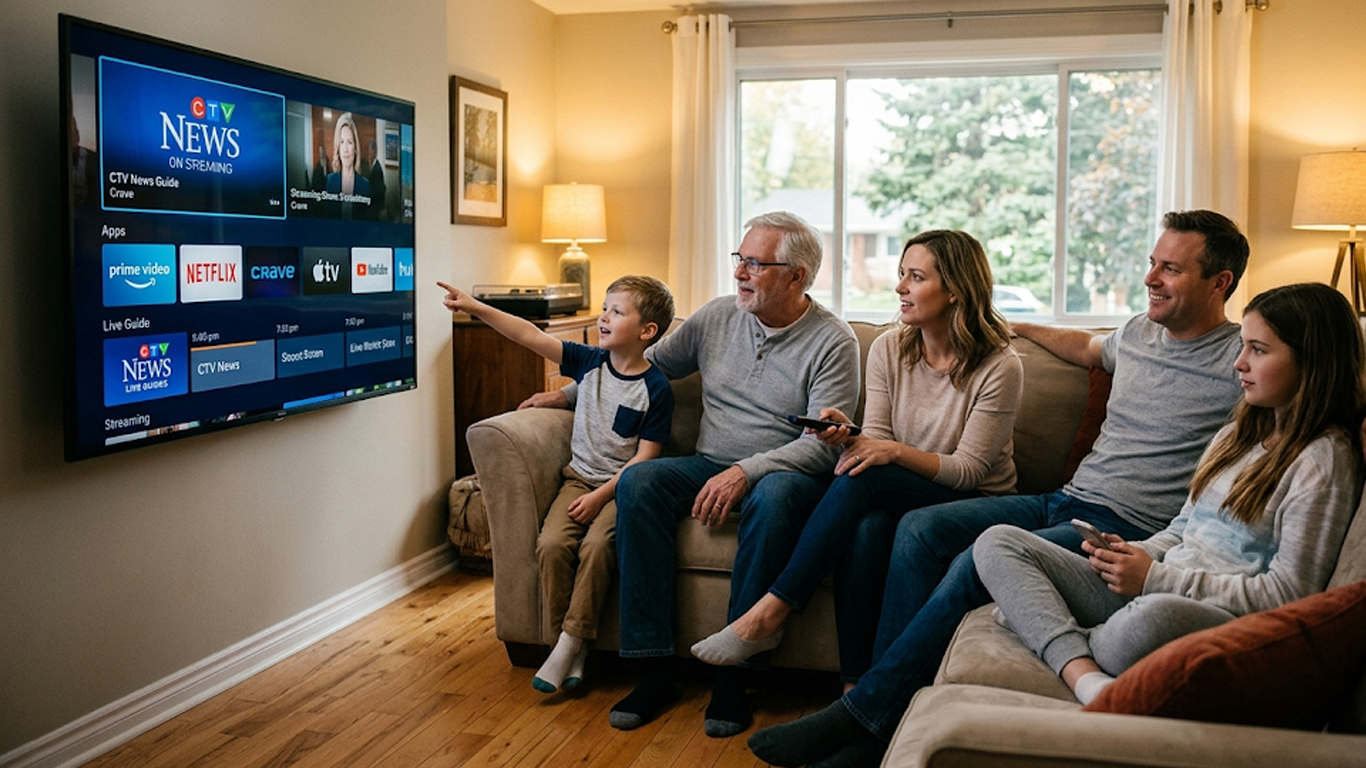
Connected TV (CTV) refers to television environments connected to the internet through Smart TVs, streaming devices, OTT platforms, television operating systems and other streaming applications.
Unlike traditional linear television, CTV advertising can operate programmatically and dynamically.
This means campaigns can now combine:
- television-scale visibility
- household-level targeting
- audience segmentation
- dynamic delivery
- measurable engagement
The importance of this shift is massive.
Consumer behavior has already changed faster than advertising infrastructure. Audiences increasingly consume content through streaming environments while advertisers still operate with planning models built around traditional TV assumptions.
The result: attention has migrated faster than media buying strategies.
CTV closes that gap.
But the most important part is not simply video delivery. It is data integration.
Modern CTV environments can now connect with:
- first-party retail audiences
- behavioral data
- contextual targeting
- commerce signals
- cross-device ecosystems
- omnichannel media activation
This creates a very different media model compared to traditional TV.
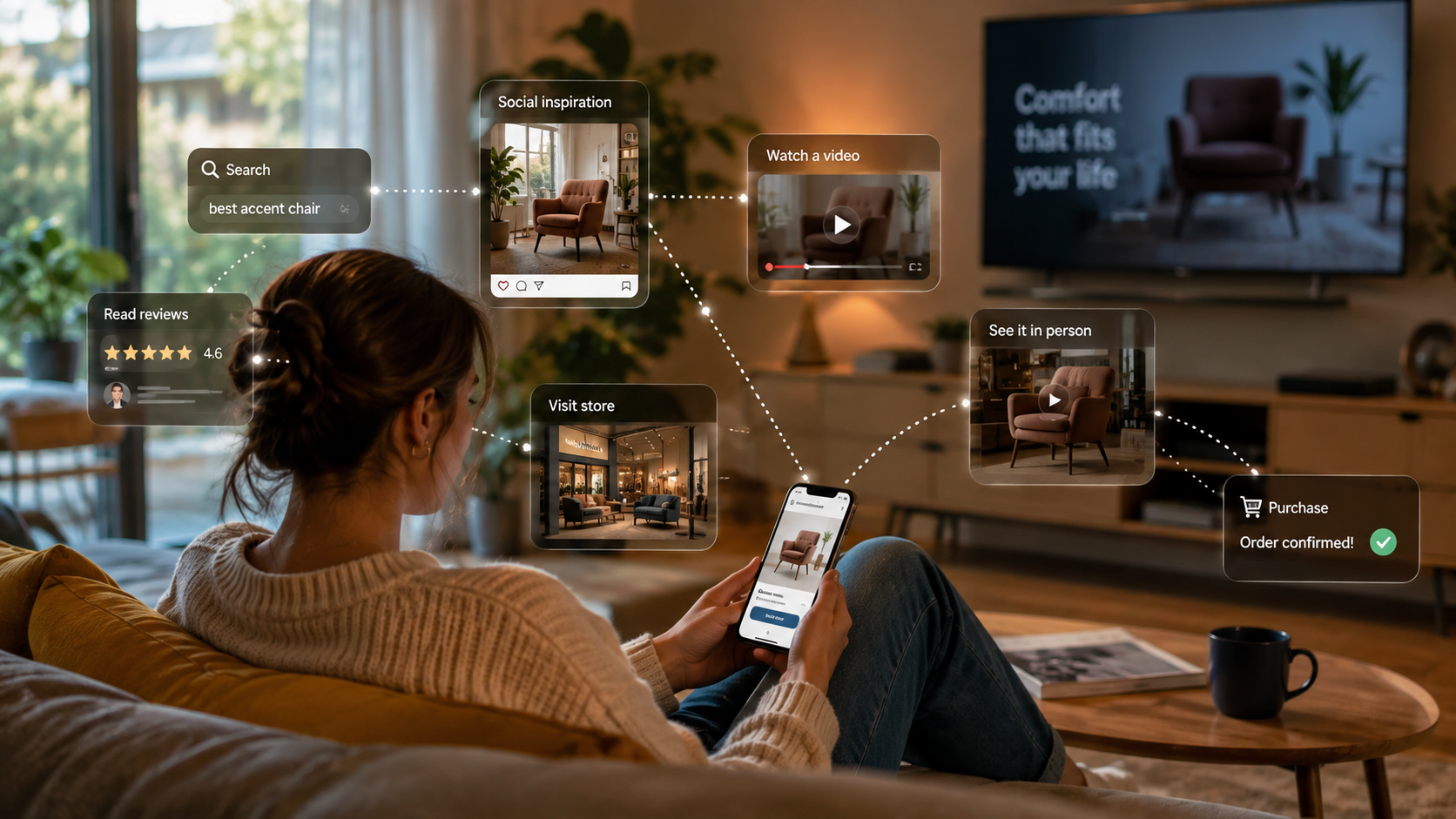
A campaign can now:
- identify a high-intent audience
- activate messaging on Connected TV
- reinforce exposure through DOOH
- continue engagement through premium web media
- connect exposure to commerce environments
All within a unified ecosystem.
This is where Connected TV becomes significantly more valuable than simply “digital television”. It becomes a central awareness layer within a broader audience strategy.
For advertisers, this solves one of the biggest modern media challenges:
Combining scale with precision.
Historically, brands had to choose between:
broad reach with weak targeting
or
strong targeting with limited scale
CTV begins removing that tradeoff. And this is exactly why major global media investments continue shifting toward streaming and connected television environments.
For markets like Greece, the opportunity is still early. Which means the brands that begin building CTV capabilities now may gain a significant competitive advantage before the market becomes saturated.
The future of television advertising will not simply be broadcast.
It will be audience-driven, data-enabled and connected across every media touchpoint.